
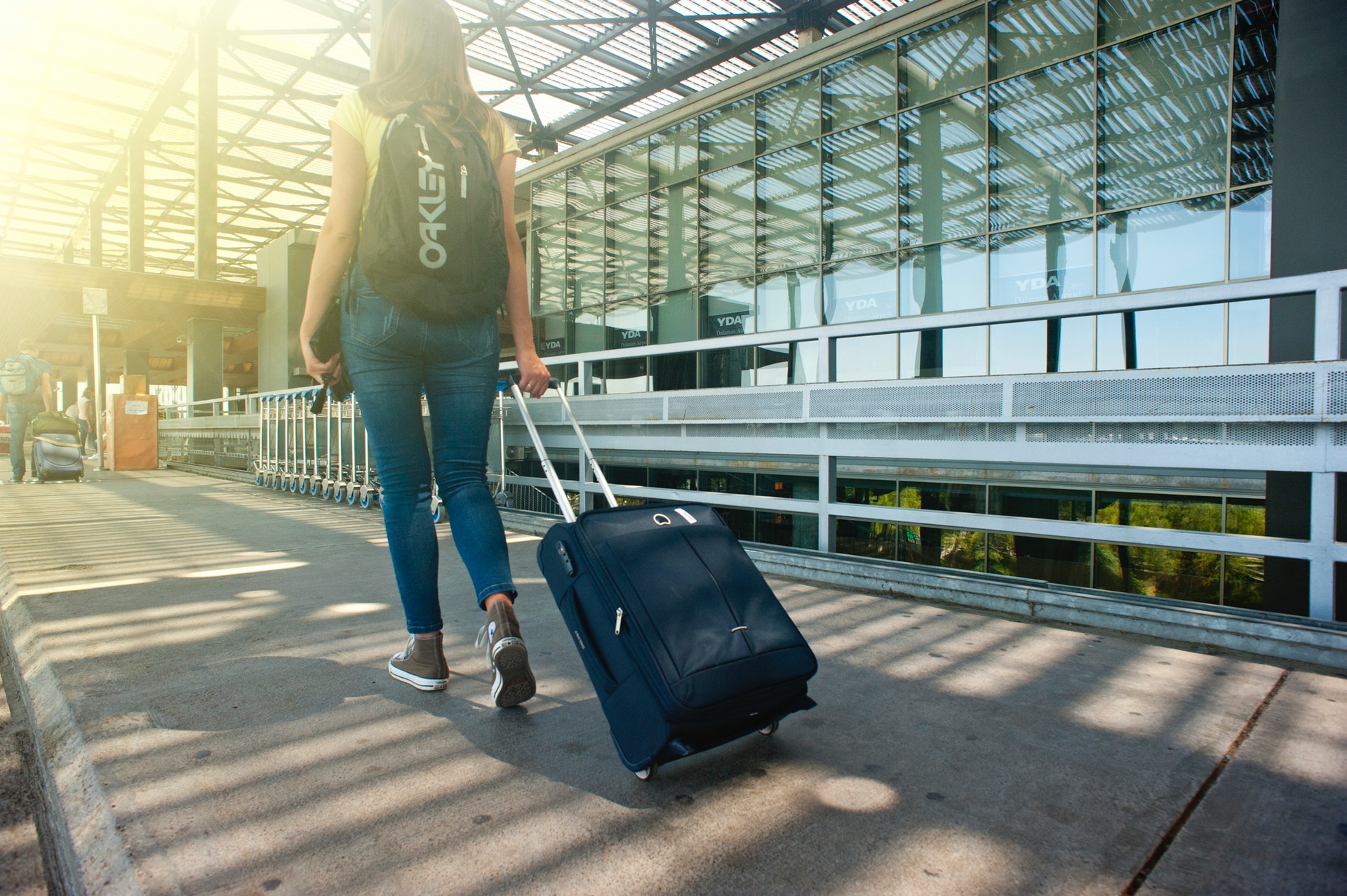
 Traveling with Kosyunka is something that most people would like to do. A lucky few get to travel to exotic places around the world. Try saving a little bit of money and set a goal. It doesn’t matter if you plan on going somewhere domestic or international. A piggy bank is a great way to start. Spare change adds up fast! If you have no money to spare don’t fret. A hike in the woods or a short trip to view local sites, can be just as fulfilling!
When traveling, you can avoid hassle and reduce travel dangers by blending in. Don’t wear expensive jewelry or location-specific designer brands that mark you as a tourist. Instead, try to dress like the locals do, and don’t draw attention to yourself. Locally-owned businesses and lodging are less likely to be a target for terrorists and pickpockets alike.
Split up clothes between bags when traveling. When traveling with more than one person, split your clothes between your respective suitcases. There is a chance you might lose a bag during your trip. If a bag is lost, having the clothes split up ensures than everyone will have at least one change of outfit available to them.
To simplify the packing process, try to pack clothing in only one or two colors. For example, you could pack only blue and khaki skirts and pants and only shirts that are shades of blue and khaki. This technique ensures that everything you pack coordinates with everything else, so you will never have a problem finding something to wear on your trip.
 One of the questions I most often get about traveling is the transportation question. “How do I get about when I reach my destination?” The answer really depends on the amount of driving you intend to do. If you intend to go places within walking distance perhaps only use a taxi as needed. Contrarily, if many of the places are a bit away, then it might be more prudent to rent a car for the duration of your trip.
If you choose to purchase travel insurance before going on a trip, you would do well to buy it from an independent source. Let’s say you book a cruise and are offered travel insurance from the cruise company. Since you are essentially buying protection against the cruise line’s own mistakes/accidents, it makes more sense to purchase your insurance from an outside source than to rely on the potential cause of your future claim as your insurance provider.
Always remember to tip housekeepers and bellboys. You don’t have to overdo it, though, just a simple dollar per bag and no more than five dollars a day for the housekeeper is adequate enough. If you tip well, you are more likely to get good service and be on good terms with hotel staff during your stay.
If you are traveling by plane, make sure you have enough room in your luggage for the things you want to take back. If your bags are packed full before you get there and you want to buy new clothes or souvenirs, not only will your clothes get all wrinkly, but there could be a chance that your luggage bag bursts and you lose the old things, as well as the new.
These save very little space to begin with, and most nice hotels provide their guests with basic toiletries like shampoo and soap. Try simple folding and packing tricks to expand your luggage space instead. These minimizing tricks will allow you to pack more in a smaller space.
Camping is a popular vacation pastime, but with the extensive equipment it requires it is not a cheap one. Before deciding to invest in all the gear necessary for extended camping travel, it is best to “get your feet wet” by making short day hikes at nearby nature attractions to see if the camping lifestyle really appeals to you.
Tired of the same boring road trip? Next time you have to pack up and go to an out-of-town event, try something different. After you map your main driving route, pick a few random places off the beaten path to stop at along the way. It could be a small mom-and-pop diner, a state park or maybe your first visit to a comic book store. Not only will this break up your drive, you will have added memories to keep forever.
If you need to travel across the country but are on a limited budget, consider traveling by bus. In the past, bus travel was viewed somewhat unfavorably, but today major players like Greyhound, have made major improvements to attract the growing number of travelers who can’t afford plane tickets. Today bus lines are a more civil experience. Cleaner, newer buses are the norm and most stations offer free wireless internet access and sundries.
When packing for a baby or a toddler, think about what things you could possibly pick up when you get there. Diapers and wipes take up a lot of space, especially if you will be gone for a week or more. This will leave you more room, and you will need less time to pack.
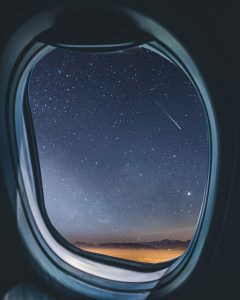 Take your own travel items on the flight. This includes a pillow, blanket, entertainment device and headphones. Bringing these items allows you to be self-sufficient rather than being forced to rely on the airline for your needs. Also consider taking your own food. Airline food prices can be reasonable, but they don’t have a very good selection.
You can save yourself a lot of time and avoid hassles by traveling as light as possible. If you just take carry-on luggage and don’t check any bags, you won’t have to waste your time standing around the baggage carousel after your flight and you’ll never have to worry about the airline losing your bags.
Traveling can be easy and something that works for everybody, no matter what the budget looks like. Things that require little effort, yet are satisfying, are often the best way to go and traveling can fit that bill! So plan a trip, set a timeline and make it happen. You can find something enjoyable to suit you!