
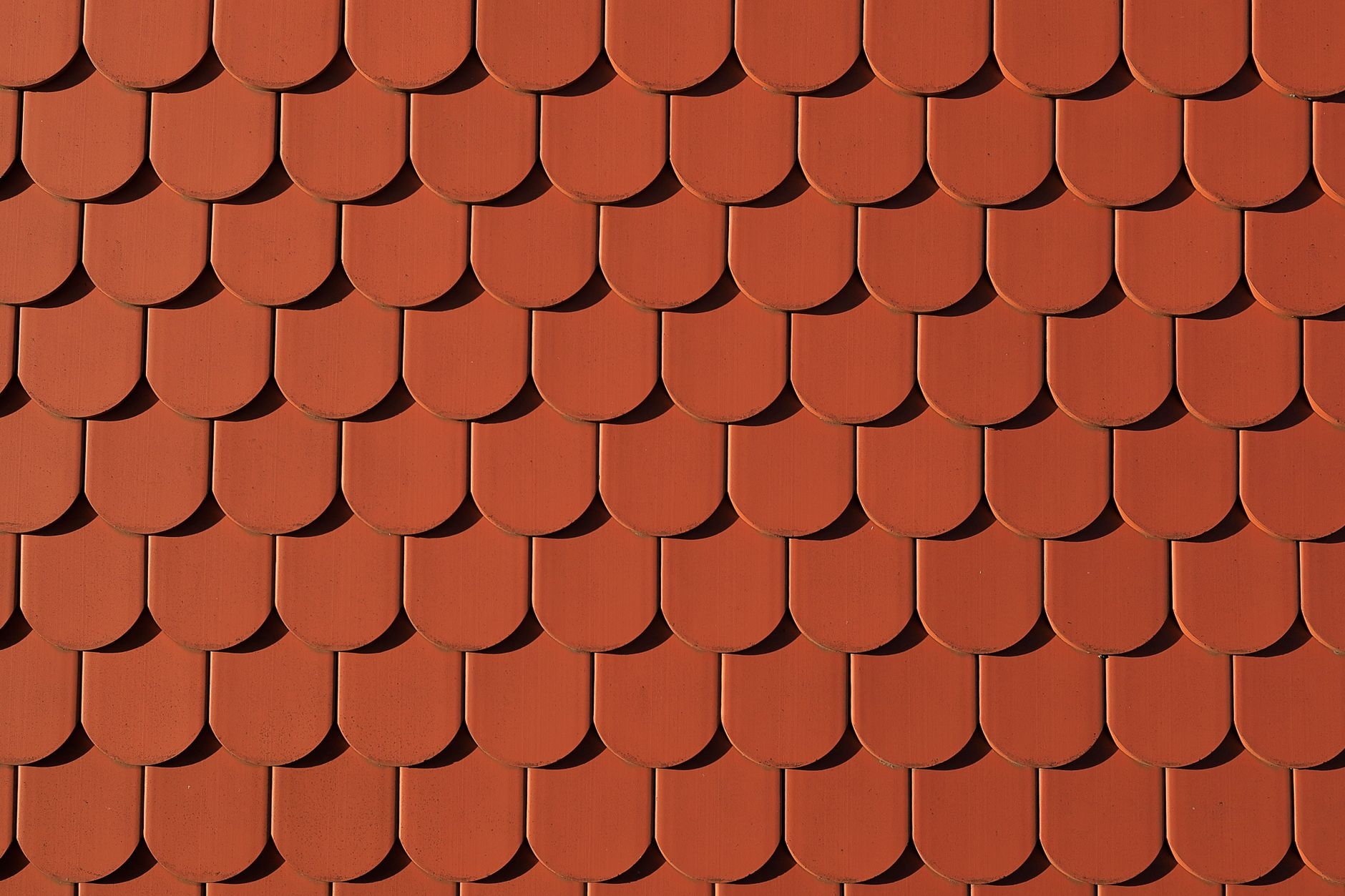
A roof is one of those parts of a house that rarely gets attention until something goes wrong. It quietly does its job for years, shrugging off rain, sun, wind, and the occasional falling branch. But a residential roof is a system with a limited lifespan, and understanding how it works can save you from expensive surprises. Whether you are buying a home, planning a renovation, or simply trying to be a responsible owner, a little knowledge goes a long way.
How Long a Roof Actually Lasts
The lifespan of a roof depends heavily on the material. Standard asphalt shingles, the most common choice on North American homes, typically last somewhere between twenty and thirty years. Metal roofing can stretch well beyond that, sometimes lasting half a century or more with minimal upkeep. Clay tile and slate can outlive the homeowners themselves, though they cost more upfront and require a structure strong enough to carry the weight.
Climate plays a large role too. Roofs in areas with harsh sun age faster on the south-facing slopes, while those in humid or heavily wooded regions battle moss and algae. Steep temperature swings cause materials to expand and contract, gradually loosening seals and fasteners. Knowing roughly how old your roof is, and what it is made of, gives you a realistic sense of when to start budgeting for replacement.
Warning Signs Worth Watching
Most roof problems announce themselves long before a catastrophic leak appears, if you know what to look for. Curling or cupping shingles suggest the material is nearing the end of its useful life. Granules collecting in gutters are a sign that asphalt shingles are wearing thin. Dark streaks often indicate algae growth, while sagging areas can point to trapped moisture or a weakening deck underneath.
Inside the house, look for water stains on ceilings, peeling paint near the roofline, or daylight visible through the attic boards. Catching these early matters, because a small repair is far cheaper than the structural damage and mold remediation that follow a leak left unattended. If you are not comfortable climbing up for a look, a periodic inspection through professional roofing services from Ridgeback Roofing can identify trouble spots before they become emergencies.
Maintenance That Extends the Life of Your Roof
A roof rewards a bit of routine care. Keeping gutters clean is one of the simplest and most effective habits, since clogged gutters force water to back up under the shingles and along the fascia. Trimming overhanging branches reduces the debris that lands on the surface and limits the shade that lets moss take hold.
Attic ventilation is another overlooked factor. Poor airflow allows heat and moisture to build up beneath the roof deck, cooking shingles from below and encouraging rot. Adequate insulation and balanced intake and exhaust vents keep temperatures moderate and dramatically extend the life of the whole system. After major storms, a quick visual check for missing or displaced shingles helps you address damage while it is still minor.
Repair, Replace, or Reroof
When problems appear, homeowners often face a choice between patching and replacing. A localized issue on an otherwise healthy roof usually calls for a straightforward repair. But if the roof is already near the end of its expected lifespan, spending money on repeated patches rarely pays off. In that case, a full replacement gives you a fresh warranty and peace of mind.
Layering new shingles over old ones, sometimes called a reroof, can be tempting because it costs less. It has real drawbacks, though, including added weight and the fact that it hides the condition of the deck below. Many roofing professionals recommend a complete tear-off so that any hidden damage can be found and corrected before the new covering goes on.
Your roof works hard every single day, and treating it as a system that needs occasional attention rather than a fixture you can ignore will pay dividends. A modest investment in inspections, cleaning, and timely repairs keeps the rest of your home dry and protected. When the time finally comes for a replacement, understanding your options will help you make a confident, informed decision.